

We are a Merchant Exporter supplying Chemicals, Pharmaceuticals, Agriculture, Textile products world wide. We have so many products available in Chemicals like Laboratory Chemicals, High purity Solvents, Food Grade Pharmaceuticals, Safety & Hygie...
- (+91) 9998943150
- info@swastiexports.com
- B/84, Shrinivas Tenaments, Behind Makarpura Bus Depot,, , Vadodara, Gujarat, India. 390010
© 2020 Swasti Exports. All Rights Reserved
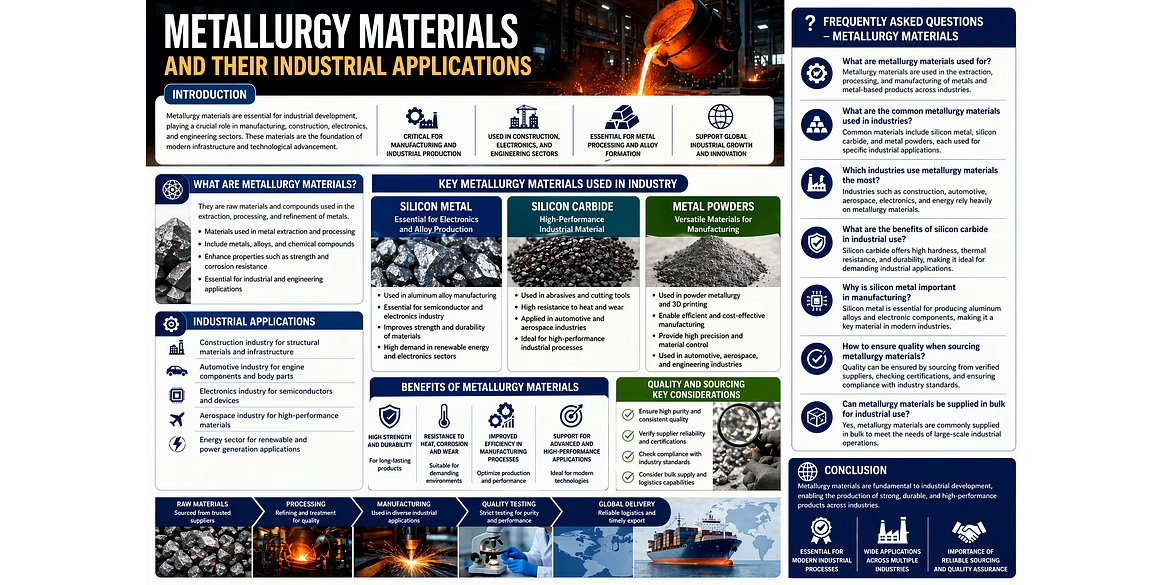

Importance of Metallurgy Materials in Modern Industry
Metallurgy materials are essential for industrial development, playing a crucial role in manufacturing, construction, electronics, and engineering sectors. These materials are used to produce metals, alloys, and components that support large-scale industrial operations. As industries continue to demand stronger, lighter, and more durable materials, metallurgy materials remain central to modern production systems.
From steel production to advanced electronic applications, metallurgy materials form the foundation of modern infrastructure and technological advancement. Understanding metallurgy materials and their industrial applications helps businesses make better sourcing decisions, improve manufacturing performance, and maintain product quality. You may also explore industrial raw material supply solutions and global sourcing and supply services for related internal resources.
• Critical for manufacturing and industrial production
• Used in construction, electronics, and engineering sectors
• Essential for metal processing and alloy formation
• Support global industrial growth and innovation
What are Metallurgy Materials – Definition and Composition
Metallurgy materials are raw materials and compounds used in the extraction, processing, and refinement of metals. These materials include metals, alloys, and chemical compounds that support metal production, treatment, and performance improvement. Their role is essential in industries where strength, conductivity, durability, and resistance are key product requirements.
Metallurgy materials are selected to improve properties such as hardness, corrosion resistance, thermal stability, and structural reliability. This makes them indispensable for industrial and engineering applications where material performance directly affects productivity and product life cycle.
• Materials used in metal extraction and processing
• Include metals, alloys, and chemical compounds
• Enhance properties such as strength and corrosion resistance
• Essential for industrial and engineering applications
Key Metallurgy Materials Used in Industry
Various metallurgy materials are used across industries depending on their properties and applications. These materials are selected based on factors such as strength, conductivity, resistance to heat, and corrosion performance. Understanding these key materials helps manufacturers and industrial buyers choose the right products for specific processing and production needs.
Silicon Metal – Essential for Electronics and Alloy Production
Silicon metal is widely used in the production of aluminum alloys and electronic components. Its physical and chemical properties make it suitable for high-performance applications that require durability, conductivity, and structural strength. Silicon metal is one of the most important metallurgy materials in industries connected to modern manufacturing and advanced technology.
In industrial operations, silicon metal supports both alloy enhancement and semiconductor-related applications. Its rising demand in electronics, renewable energy, and automotive manufacturing highlights its growing importance in global supply chains.
• Used in aluminum alloy manufacturing
• Essential for semiconductor and electronics industry
• Improves strength and durability of materials
• High demand in renewable energy and electronics sectors
Silicon Carbide – High-Performance Industrial Material
Silicon carbide is known for its hardness, thermal resistance, and durability. It is widely used in abrasive, refractory, and high-temperature industrial applications where materials must perform under extreme mechanical and thermal stress. Its performance makes it a valuable metallurgy material for demanding environments.
Industries such as automotive, aerospace, and heavy manufacturing use silicon carbide because of its ability to resist wear and maintain performance under high temperatures. This makes it suitable for precision processes and advanced industrial systems.
• Used in abrasives and cutting tools
• High resistance to heat and wear
• Applied in automotive and aerospace industries
• Ideal for high-performance industrial processes
Metal Powders – Versatile Materials for Manufacturing
Metal powders are used in various manufacturing processes, including powder metallurgy and additive manufacturing. They enable precise and efficient production of components while reducing waste and improving material control. Their flexibility makes them highly valuable in industries that require complex part design and consistent material properties.
In sectors such as automotive, aerospace, engineering, and industrial fabrication, metal powders support efficient production and scalable manufacturing. Their role in modern processing makes them an important category within metallurgy materials and industrial applications.
• Used in powder metallurgy and 3D printing
• Enable efficient and cost-effective manufacturing
• Provide high precision and material control
• Used in automotive, aerospace, and engineering industries
Industrial Applications of Metallurgy Materials
Metallurgy materials are widely used across industries due to their strength, durability, and versatility. They play a key role in manufacturing, industrial processing, and infrastructure development, making them essential for both traditional and advanced production sectors.
Their industrial applications span structural construction, mechanical systems, electronics, energy technologies, and transportation components. This broad usage shows why reliable metallurgy material sourcing is important for industrial growth and performance.
• Construction industry for structural materials and infrastructure
• Automotive industry for engine components and body parts
• Electronics industry for semiconductors and devices
• Aerospace industry for high-performance materials
• Energy sector for renewable and power generation applications
Benefits of Metallurgy Materials in Industrial Operations
The use of metallurgy materials provides several advantages that enhance industrial efficiency, mechanical performance, and product longevity. Their physical strength and functional reliability make them suitable for industries that require consistent performance under demanding operating conditions.
Metallurgy materials help businesses improve manufacturing efficiency, reduce maintenance requirements, and support the development of advanced engineering solutions. These benefits are especially valuable for large-scale industrial operations focused on durability and long-term productivity.
• High strength and durability for long-lasting products
• Resistance to heat, corrosion, and wear
• Improved efficiency in manufacturing processes
• Support for advanced and high-performance applications
Quality and Sourcing of Metallurgy Materials – Key Considerations
Selecting high-quality metallurgy materials is essential for ensuring performance, consistency, and reliability in industrial applications. Businesses must evaluate purity, specifications, certifications, and supplier capabilities before finalizing procurement decisions. Strong quality standards are necessary for maintaining downstream manufacturing results.
Sourcing from trusted suppliers helps ensure dependable bulk availability, proper documentation, and supply chain continuity. Buyers can also review quality assurance and certifications and export logistics support when evaluating industrial sourcing partners.
• Ensure high purity and consistent quality
• Verify supplier reliability and certifications
• Check compliance with industry standards
• Consider bulk supply and logistics capabilities
Conclusion – Role of Metallurgy Materials in Industrial Growth
Metallurgy materials are fundamental to industrial development, enabling the production of strong, durable, and high-performance products. Their wide range of applications across construction, automotive, aerospace, electronics, and energy sectors makes them indispensable to modern industry.
Partnering with a reliable supplier ensures consistent quality, efficient supply, and long-term success in industrial operations. Businesses looking for dependable sourcing support may also explore why choose us and industries we serve for additional internal link opportunities.
• Essential for modern industrial processes
• Wide applications across multiple industries
• Importance of reliable sourcing and quality assurance
Frequently Asked Questions – Metallurgy Materials
What are metallurgy materials used for?
Metallurgy materials are used in the extraction, processing, and manufacturing of metals and metal-based products across industries.
• Used in metal production and processing
• Essential for manufacturing and engineering
• Support industrial applications
What are the common metallurgy materials used in industries?
Common materials include silicon metal, silicon carbide, and metal powders, each used for specific industrial applications.
• Silicon metal for alloys and electronics
• Silicon carbide for abrasives and high-temperature applications
• Metal powders for manufacturing processes
Which industries use metallurgy materials the most?
Industries such as construction, automotive, aerospace, electronics, and energy rely heavily on metallurgy materials.
• Construction and infrastructure
• Automotive and aerospace industries
• Electronics and energy sectors
What are the benefits of silicon carbide in industrial use?
Silicon carbide offers high hardness, thermal resistance, and durability, making it ideal for demanding industrial applications.
• High resistance to heat and wear
• Used in abrasives and cutting tools
• Suitable for high-performance environments
Why is silicon metal important in manufacturing?
Silicon metal is essential for producing aluminum alloys and electronic components, making it a key material in modern industries.
• Used in alloy production
• Essential for semiconductors
• Improves material performance
How to ensure quality when sourcing metallurgy materials?
Quality can be ensured by sourcing from verified suppliers, checking certifications, and ensuring compliance with industry standards.
• Supplier verification
• Quality control processes
• Compliance with standards
Can metallurgy materials be supplied in bulk for industrial use?
Yes, metallurgy materials are commonly supplied in bulk to meet the needs of large-scale industrial operations.
• Bulk supply capabilities
• Consistent quality and availability
• Reliable logistics and delivery